Madressahs Urged to include science, modern education in curriculum
- November 23, 2025
- 651
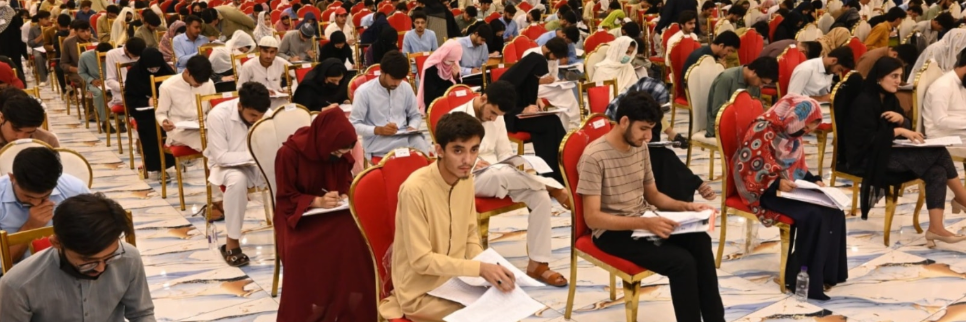
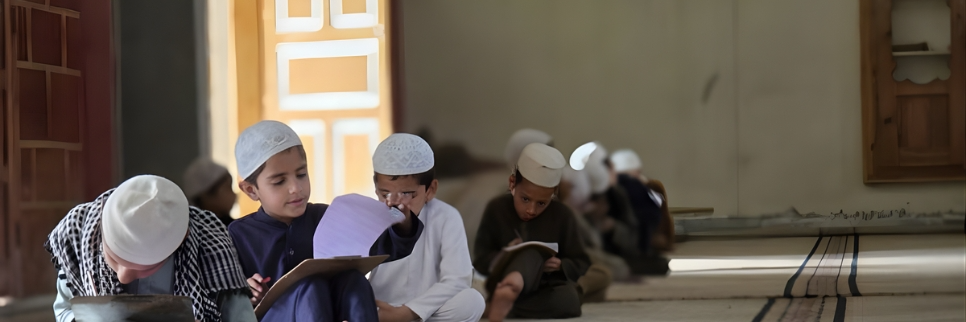
Murad Ali Shah, the chief minister of Sindh, advised madressahs to include science and skills in their curricula on Saturday, stressing that doing so would help students succeed in the contemporary world.
Speaking at Jamia Tur Rasheed's annual conference, he stated that madressahs ought to instruct pupils on how to have a closer bond with the Creator and how to be kind to His creations. "We can achieve peace, brotherhood, and progress in society by doing this," he continued.
Religious leaders and academics from the institution attended the occasion, including Vice Chancellor Mufti Ehsan Waqar, Pro-Vice Chancellor Dr. Zeeshan Ahmed, Chancellor of Al-Ghazali University, and Rasheed Mufti Abdur Raheem, the patron of Jamia Tur.
The chief minister thanked them for the invitation and said it was an honor to speak to the scholars, praising the institution's creative approach of combining religious (Deeni) and modern (Asri) education.
He claimed that the goals of the conference demonstrated the professors' and academics' understanding of the problems facing the country today and their dedication to finding solutions.
"To educate scholars who are not only conscious of current challenges but also possess the ability to solve them is the guarantee of our success," he stated.
According to Mr. Shah, madressahs were the most cutting-edge educational establishments in the world during Islamic history, producing renowned historians, scientists, and thinkers. Muslims' inventions and research helped the West advance science. But we, the pioneers of that information, lagged behind," he said.
The chief minister noted that in addition to religious instruction, the early madressah curriculum covered disciplines like mathematics, astronomy, medicine (Hikmat), and navigation, resulting in graduates who were specialists in all fields.
Mr. Shah was very happy that the madressah and Al-Ghazali University operated simultaneously, combining Dars-i-Nizami with contemporary education.
He praised the endeavor to offer technology courses, four international languages (Arabic, English, Turkish, and Chinese), and BS and MS degrees.
He reminded the audience that Muslim scientists actually founded the fundamental scientific ideas.