Education Crisis in KP: 37% of Children Out of School
- May 7, 2025
- 1797
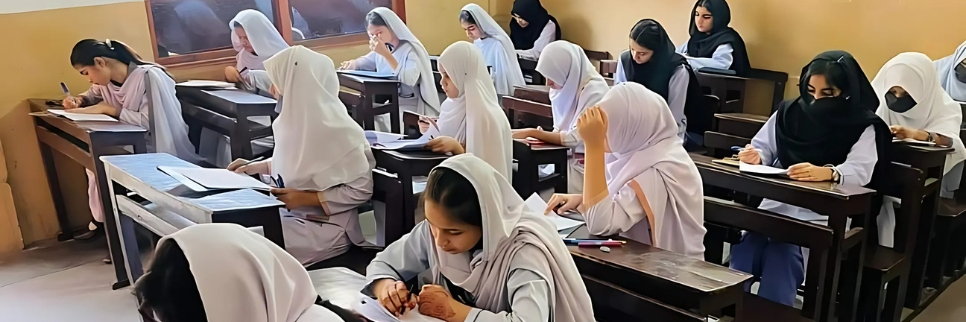
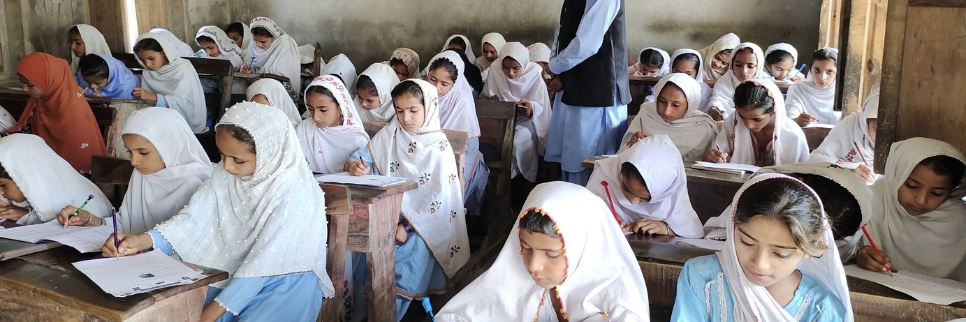
A report from the provincial education department in Khyber Pakhtunkhwa (KP) shows that an astounding 37% of youngsters are still not enrolled in school.
According to the research, 4.92 million boys and girls in the province do not currently have access to formal education, which presents a worrying picture.
The problem is most acute in Kolai-Palas, Kohistan, where 80,333 children do not attend school. 79% of children in the nearby regions of Lower and Upper Kohistan are not enrolled in any kind of school, which is another startlingly high percentage.
Conversely, Upper Chitral is the district with the best performance in the province, with only 10% of youngsters not attending school.
The more than 500,000 out-of-school children in Peshawar, the province capital, including 319,000 females, demonstrate the stark gender disparity in educational access.
KP Education Minister Faisal Tarakai acknowledged the seriousness of the situation in his speech, pointing out that over 4.8 million children are now not registered in school. However, he stated that the administration is making a concerted effort to reverse the trend.
According to Tarakai, "1.3 million children were enrolled in schools last year," and the objective is to enroll an extra million this year. He reaffirmed the government's commitment to expanding access and addressing disparities in student enrollment across the province.
The number of OSC increased from 22.02 million to 26.21 million within the same time period due to the fast population expansion.
Education in Balochistan
The ICT has the lowest percentage of kid absenteeism, while Balochistan has the highest (65%). According to recent province data, the number is really 37%, when the national average for KP was previously considered to be 30%.
10.77 million youngsters in the country do not attend primary school alone, the research found.
Economic disparities have a major influence and are especially felt by children from the poorest homes.